Selling a home is not always easy. Many sellers expect quick offers and high prices. But the reality can be different. Sometimes, your house stays on the market longer than expected. This is when one big question comes up: Should I lower the price?
The answer is not always simple. Pricing your home correctly is one of the most important steps in the selling process. A small mistake can cost you time and money. Here, you will learn the ideal time to reduce your home’s price and the correct approach to follow.

Why Pricing Matters More Than You Think?
Pricing your home is not just about picking a number. It is one of the most important decisions you will make during the selling process. The price you choose can either attract buyers quickly or push them away before they even take a closer look.
Most buyers start their search online. They use filters based on price range. If your home is priced too high, it may not even appear in their search results. This means you are missing out on a large group of potential buyers from the very beginning.
The first few weeks after listing your home are the most important. This is when your property gets the most attention. Buyers and agents are always watching for new listings.
If your price is right, you can create strong interest and even receive multiple offers. But if your price is too high, that early momentum is lost.
Another key point is buyer perception. Today’s buyers are well-informed. They compare your home with similar properties in the area.
If your price does not match the market value, they will notice immediately. Even if your home has great features, an unrealistic price can make buyers feel uncertain or suspicious.
Overpricing can also lead to a longer time on the market. The longer your home stays unsold, the less attractive it becomes.
Buyers may assume there is something wrong with it. This can result in fewer offers and eventually force you to reduce the price even more than you would have earlier.
That’s why setting the right price from the beginning is key. But if things don’t go as planned, adjusting the price can help bring new attention.
Strong Indicators You Need to Lower Your Asking Price
Not sure if you should reduce the price? Here are the most common warning signs.
1. You Are Getting Few or No Showings
If buyers are not coming to see your home, this is often the first warning sign. Most buyers decide which homes to visit based on online listings. If your home is not getting clicks or inquiries, your price may be too high for the market.
Buyers compare many options. If your home is priced above similar properties, they may skip it without a second thought. Even a small difference in price can push your listing out of their search range.
Low showing activity usually means your home is not attracting attention. In most cases, adjusting the price can bring back interest and increase visibility.
2. Many Showings But No Offers
This situation can be frustrating. Buyers are clearly interested enough to visit, but no one is making an offer.
This often means buyers like the home, but they don’t see enough value at your price. They may feel the home is slightly overpriced or not competitive compared to others.
Pay attention to patterns. If multiple buyers walk away without offering, it’s a strong signal that pricing is the issue, not the property itself.
3. Your Home Has Been on the Market Too Long
Every market has an average time for homes to sell. If your property stays on the market longer than that, it can become a problem.
A listing that sits too long can lose its appeal. Buyers may think there is something wrong with the home. Even if that’s not true, perception matters.
The longer your home stays unsold, the more pressure you may feel to reduce the price later. Making an early adjustment can help you avoid bigger price cuts down the road.
4. Negative Feedback from Buyers
Buyer feedback is valuable. It gives you real insight into how the market sees your home.
If multiple buyers or agents mention that your home is overpriced, take it seriously. This is not just opinion, it reflects current market expectations.
Sometimes sellers focus on emotional value. But buyers focus on market value. Listening to feedback can help you adjust your strategy and improve your chances of selling.

5. Similar Homes Are Selling for Less
Buyers always compare properties before making a decision. If similar homes in your area are selling at lower prices, your listing may struggle.
Even if your home has unique features, buyers often look at price first. If they see better deals nearby, they may choose those options instead.
Keeping an eye on local sales helps you stay competitive. If the market shifts and prices drop, you may need to adjust your price to stay relevant.
6. You Receive Low Offers Only
Getting low offers can feel disappointing, but they provide useful information. They show what buyers are willing to pay in the current market.
If all offers come in below your asking price, it may mean your price is set too high. Ignoring these signals can delay your sale even more.
Instead of rejecting all low offers, try to understand the trend. It may be time to adjust your price closer to what buyers expect.
7. Your Appraisal Comes in Low
An appraisal is an expert evaluation of your home’s value. Lenders frequently demand it during the purchasing process.
If your home is appraised lower than your asking price, it can create serious problems. Buyers may not be able to secure financing for the higher amount.
This situation often leads to renegotiation. In many cases, the seller must lower the price to match the appraised value.
A low appraisal is a clear and objective sign that your home may be overpriced.
Check More: Should I Buy a House with Possessory Title?
How Long Should You Wait Before Reducing the Price?
Timing is important. You should not wait too long.
Many real estate experts suggest reviewing your price within 10 to 14 days if there is little activity.
Some also recommend making changes within the first two weeks to keep your listing fresh and competitive.
Waiting too long can lead to bigger price cuts later.
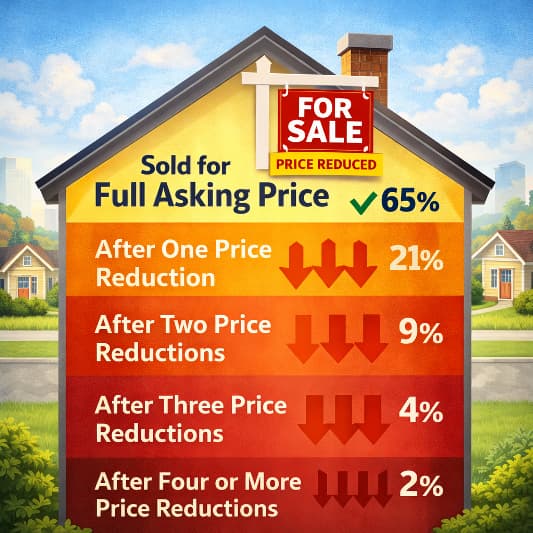
How Much Should You Lower the Price?
This is another common question. The answer depends on your market.
In many cases, a 2% to 5% reduction is enough to attract new buyers.
However, small cuts may not be effective. Buyers may not even notice them.
A strong and strategic reduction can:
- Bring your home into new price search ranges
- Attract more attention online
- Create a sense of urgency
What to Try Before Lowering the Price?
Price is not always the problem. Sometimes small improvements can make a big difference.
Before reducing the price, consider these steps:
- Improve your listing photos
- Update your description
- Stage your home properly
- Fix minor issues
- Increase marketing exposure
Sometimes better presentation can attract buyers without changing the price.
Final Thoughts
Lowering the price of your house is never an easy decision. But sometimes, it is the smartest move.
The key is to watch the signs early. Do not wait too long. A timely price adjustment can bring fresh interest and lead to a successful sale.
Work with a good real estate agent. Study your local market. And always stay realistic.
In the end, the goal is simple: sell your home at the best possible price within a reasonable time.