Selling a house can be exciting. But it can also be stressful when your home sits on the market without any offers. Many homeowners expect quick results after listing their property. When weeks pass with no serious interest, frustration grows.
The good news is that this situation is very common. Many homes take time to sell, especially when the market is competitive. In most cases, there are clear reasons why buyers are not making offers. The key is to identify the problem and make the right changes.
If your house is not receiving offers, do not panic. Instead, review your strategy and adjust your approach. The following tips can help you attract buyers and finally receive offers.
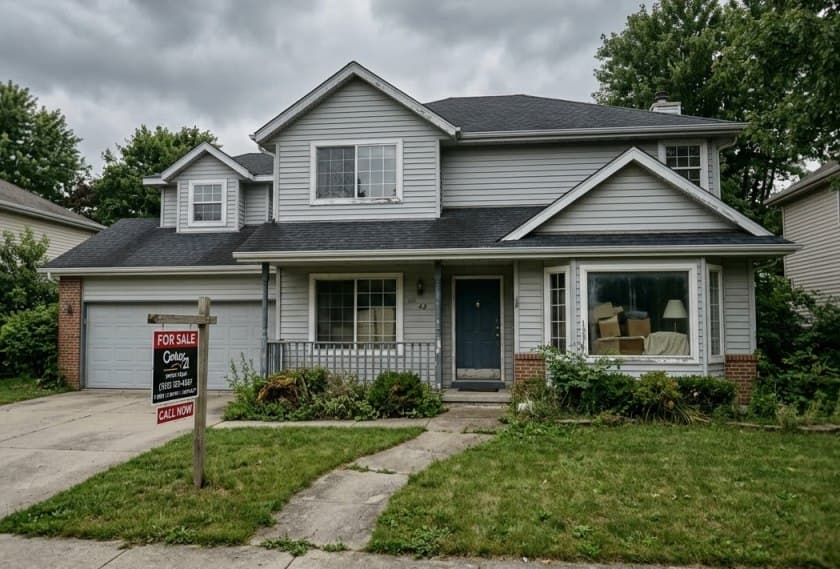
Why Your House isn’t Getting Offers
Before making any changes, try to understand why buyers are not making offers. Several factors may affect your listing. These include price, condition, marketing, and market demand.
One of the most common reasons is pricing. Real estate experts say that overpricing is one of the biggest mistakes sellers make. If a home is priced too high compared with similar homes in the area, buyers often skip it completely.
Another possible reason is presentation. Buyers want homes that look clean, bright, and move-in ready. Even small issues like clutter, outdated decor, or poor lighting can reduce interest.
Sometimes the problem is simply visibility. If buyers do not see your listing online or through agents, they will not schedule showings or make offers.
Below, we will briefly explain the most common reasons why homes fail to receive offers and what you can do about them.
Read Also: Mistakes to Avoid for First Time Home Renovation Projects
1. Reevaluate Your Pricing Strategy
Price is often the biggest factor in whether a house receives offers. Buyers compare your home with other listings in the same area. If your price is higher than similar homes, they will likely choose another property.
Even if buyers like your house, they may feel the price does not match the value. In that case, they will walk away instead of making an offer.
Consider reviewing recent sales in your neighborhood. Look for homes with similar size, condition, and features. This information can help you determine whether your price is realistic.
If necessary, consider a small price adjustment. A strategic price reduction can attract new buyers and create fresh interest in your listing.
2. Improve Your Home’s First Impression
First impressions matter in real estate. Buyers often decide whether they like a home within seconds of seeing it.
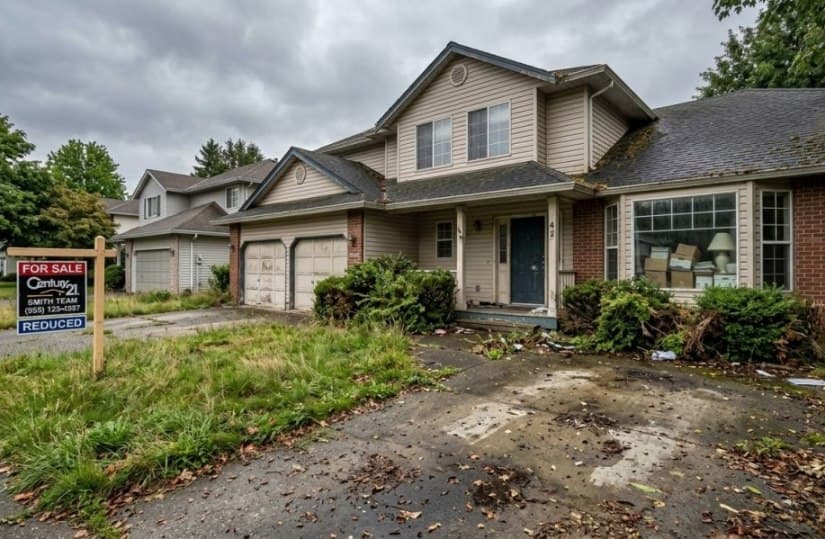
Start with curb appeal. The outside of your home should look clean, inviting, and well maintained. Simple improvements can make a big difference. For example:
- Mow the lawn
- Trim bushes
- Clean the driveway
- Paint the front door
- Add some plants or flowers
Inside the home, focus on cleanliness and organization. Remove clutter and personal items such as family photos. Buyers need to imagine themselves living in the space.
A well-presented home creates a stronger emotional connection and encourages buyers to make offers.
3. Consider Home Staging
Home staging is one of the most effective ways to attract buyers. Staging means arranging furniture and decor to highlight the home’s best features.
Professional staging can help rooms appear larger, brighter, and more welcoming. Even simple changes like rearranging furniture or adding better lighting can improve the overall appearance.
Studies show that staged homes often sell faster and may even receive higher offers.
If hiring a professional stager is not possible, try basic staging yourself. Focus on the living room, kitchen, and primary bedroom. These spaces have the biggest impact on buyers.
4. Fix Small Repairs and Maintenance Issues
Buyers notice details. Small problems can make them worry about bigger hidden issues.
Take time to fix minor repairs before buyers visit your home. Examples include:
- Leaky faucets
- Loose door handles
- Cracked tiles
- Peeling paint
- Broken light fixtures
These repairs are usually inexpensive but can greatly improve buyer confidence. A well-maintained home feels more valuable and trustworthy.
5. Improve Your Marketing Strategy
Even a beautiful home will not sell if buyers do not see it. Effective marketing is essential.
Make sure your listing includes high-quality photos and a clear description. Professional photography can dramatically improve online listings. Good lighting and wide-angle shots can make rooms look larger and more attractive.
Also consider additional marketing methods:
- Social media promotion
- Virtual tours
- Video walkthroughs
- Online real estate platforms
- Open houses
Better marketing helps your property reach more potential buyers.
6. Work With the Right Real Estate Agent
A skilled real estate agent can make a huge difference. Experienced agents understand local market trends and know how to attract serious buyers.
They can help with pricing strategy, marketing plans, and negotiation. They also have networks of buyers and other agents who may be interested in your property.
If your current agent is not generating results, it may be time to discuss new strategies or consider working with a different professional.
7. Offer Buyer Incentives
Sometimes small incentives can motivate buyers to make an offer. Incentives make your property more appealing compared with competing listings.
Examples of buyer incentives include:
- Paying part of the closing costs
- Including appliances or furniture
- Offering a home warranty
- Providing flexible move-in dates
These incentives can create additional value and encourage buyers to act quickly.
8. Be Flexible With Negotiations
Some sellers expect buyers to accept the asking price without negotiation. However, real estate transactions usually involve compromise.
Being open to negotiations can increase your chances of receiving offers. Buyers may request repairs, price adjustments, or other conditions.
Working with an experienced agent can help you evaluate offers and negotiate the best outcome.
9. Stay Patient and Adapt to the Market
Real estate markets change constantly. Sometimes the problem is not your home but the overall market conditions.
In a buyer’s market, there may be more homes available than buyers. This means properties may take longer to sell.
Instead of becoming discouraged, stay flexible and adjust your strategy. Small improvements, better marketing, or a pricing change can restart interest in your listing.
Final Thoughts
Not receiving offers on your home can feel disappointing. However, it is rarely a permanent problem. In most cases, the solution involves adjusting pricing, improving presentation, or strengthening marketing efforts.
Take time to review your strategy and look at your home from a buyer’s perspective. Even small changes can make a big difference.
With the right approach, patience, and professional guidance, you can attract buyers and successfully sell your home.